'I Hate My Body': How to Stop the Shame Spiral
'I Hate My Body': How to Stop the Shame Spiral
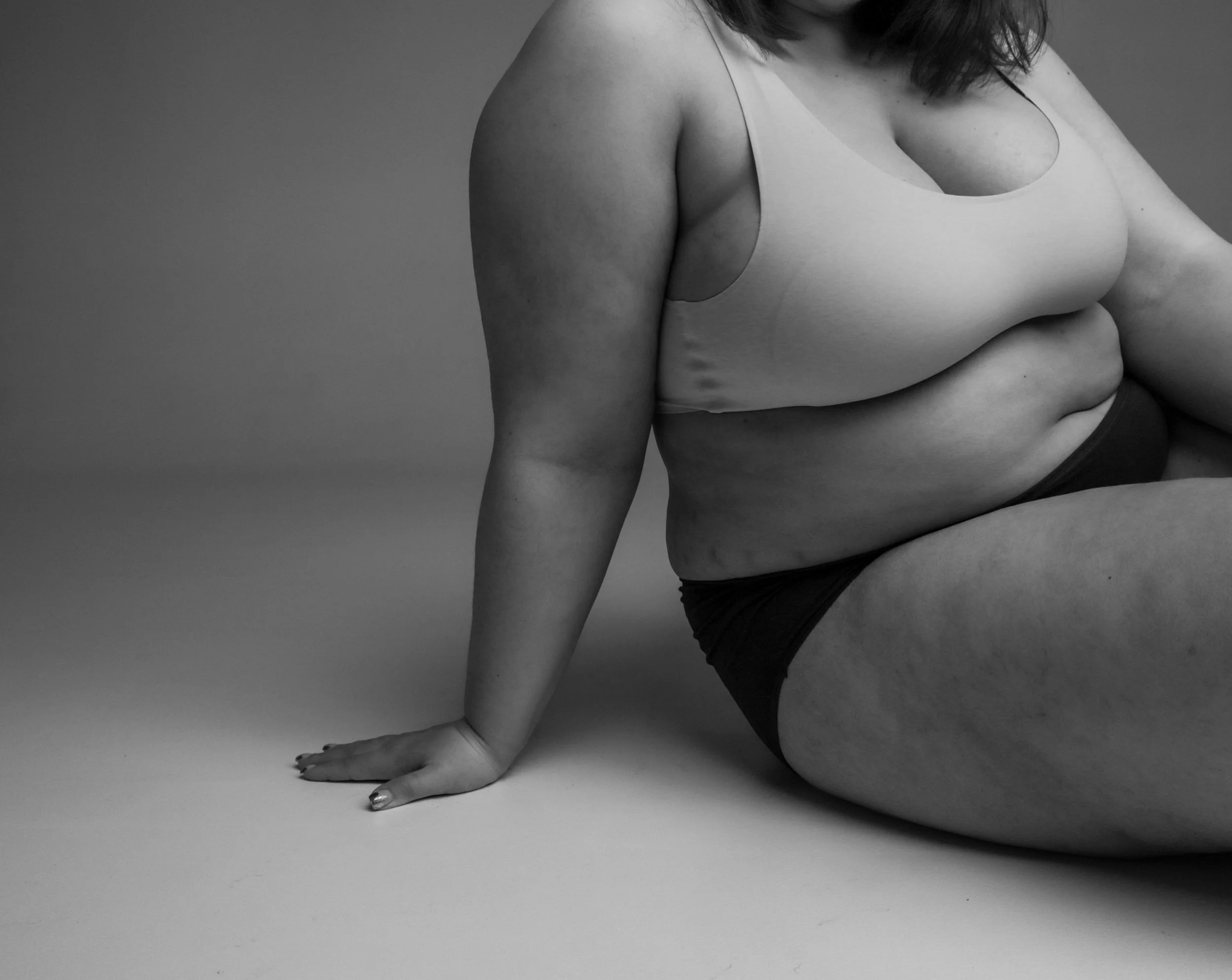
If you've Googled "I hate my body," you probably often find yourself in front of the mirror, making a mental list of everything wrong. Or maybe you avoid looking at your own reflection, skip events with photos, and, overall, try to ignore and hide your body as much as possible.
Unfortunately, these feelings of body hatred and shame are very common in our culture. I'm a therapist who works with people navigating body image struggles, and I often tell my clients that body hatred isn't really about your body at all. Here's what I mean by that.
Why do I hate my body?
In my practice, I constantly hear "I want to be confident, but I hate my body" or "I hate my body shape." Google "I hate my body," and you'll find countless Reddit threads of people describing the same spiraling thoughts like this one:

Reddit thread with the OP describing their body as “fat and ugly.”
Lots of statistics reflect how common this is. In a recent study, 1 in 5 adults (20%) felt shame about their body in the last year, over a third (34%) felt down or low, and 19% felt disgusted by their body image.
You may think that your poor body image mostly has to do with you and how you look, but the truth is that this intense hatred so many of us have toward our bodies often points to a few deeper issues.
I think about the reasons for hating your body on three levels:
Our society + culture
Your relationships
Internal projection
Let's go through each one of these "levels":
1. Our society + culture
We live in a culture with an incredibly rigid definition of what a "good body" looks like. If you don't fit that narrow definition, the expectation is that you should change your body.
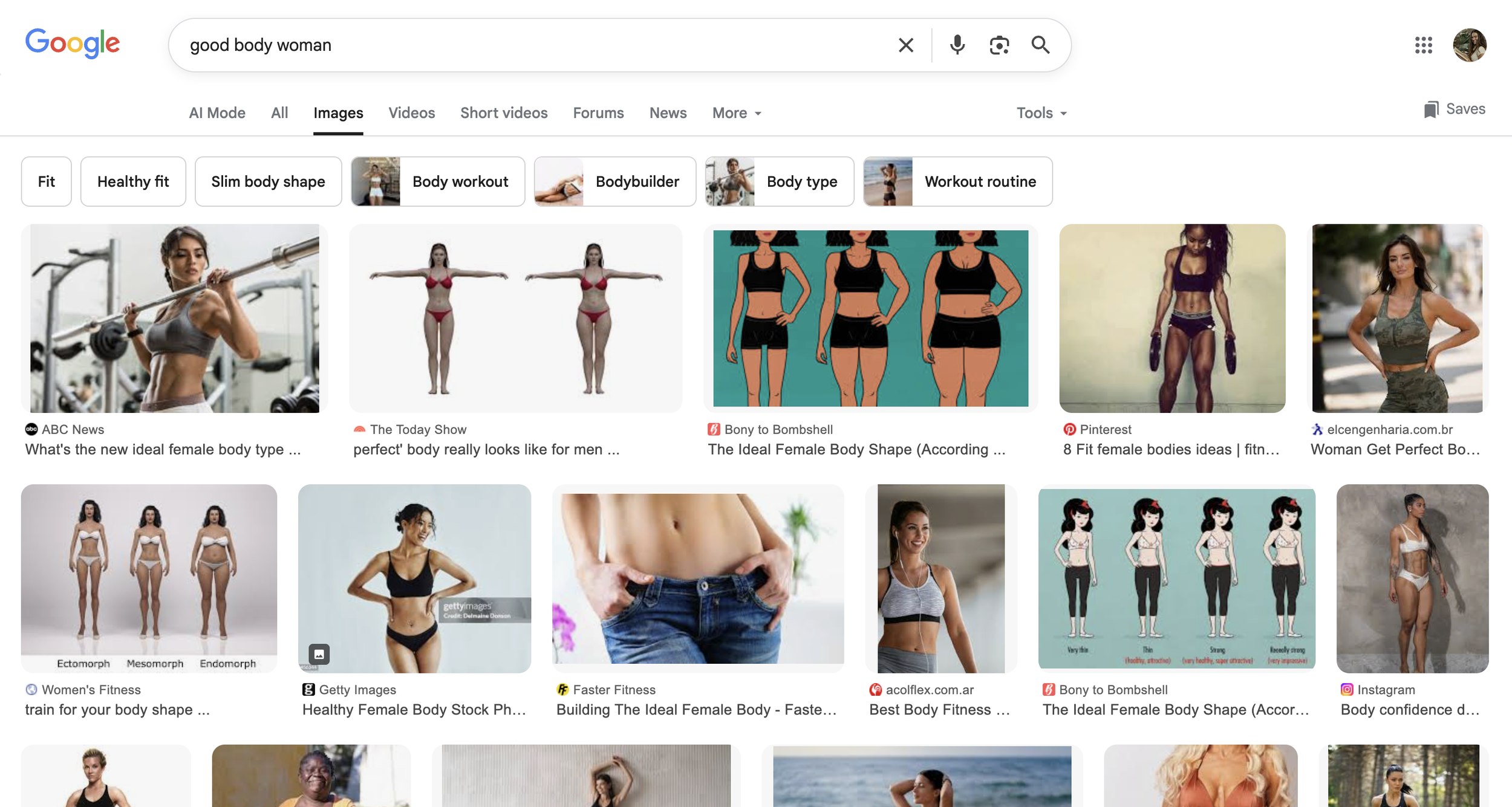
This is what a “good body” looks like according to Google!
These messages are everywhere, including ads, social media, the shows we watch, and the magazines at checkout counters. At this point, almost everyone carries some level of body shame because we're all being measured against an impossible standard.
This isn't an individual failure. Research shows that:
By age 3, children have already internalized stereotypes about body size
Kids as young as 5 express concerns about their weight or shape
40-60% of elementary school girls between the ages of 6 and 12 worry about their weight or becoming fat
In other words, we absorb these messages and develop body image issues before we even have the cognitive tools to understand or question them.
How this shows up
You scroll through Instagram and immediately start comparing
You feel like you need to apologize for your body or hide it in certain settings
There's a constant mental commentary running in the background about what's wrong with how you look
The cycle of trying to "fix" yourself never ends and can fuel unhealthy behaviors like an eating disorder or a bad relationship with exercise
What you can do about it
One of the biggest pieces of advice that I give to my clients who have a negative body image is to curate what you consume. Follow content creators who have your body type, your size, and overall, bodies that look like yours.
For example, if you have PCOS and facial hair, follow people who share that experience and talk about it openly. Whether you're plus-size, have scars, skin conditions, or disabilities, find people who represent your body existing without shame.
The goal is to normalize your body to yourself.
Your brain needs repeated evidence that bodies like yours exist and are worthy of taking up space. Also, unfollow accounts that make you feel worse. This reduces the constant drip of negative input and starts to shift what your brain registers as normal and acceptable.
2. Your relationships
Family patterns around food, diets, and bodies often run deep.
Maybe your mother had an eating disorder or a terrible relationship with food, commented on your body growing up, put you on diets as a child, and praised you when you lost weight.
This often continues into adulthood with unsolicited comments about what you're eating, how you look, and whether you've gained or lost weight.
It doesn't have to be a parent. Partners, friends, extended family, and even coworkers can play this role. What's important to understand is that when someone comments on your body, it's almost always about their own unresolved relationship with their body.
In other words, when your mom (insert: dad, friend, extended family member) comments on your weight, the problem isn't your body. It's their discomfort with their own.
How this shows up
These voices become yours over time: you internalize them and start policing yourself even when no one else is around
You anticipate judgment in situations where no one is judging you
Body shame gets passed down like inherited trauma, generation to generation, and relationship to relationship
What you can do about it
You can ask people not to comment on your body. Set clear expectations, such as "I need you to stop talking about diets around me" or "Please don't comment on my body or what I'm eating." This includes comments about their own bodies, if hearing that triggers your own shame spiral.
Some people won't respect these boundaries, and that tells you something important about them. You might need to create distance from people who can't stop making your body a topic of conversation. Surround yourself with people who see you as more than a body to evaluate.
3. Internal projection
Your body is often the least interesting thing about you, but it's the easiest thing to hate. Our bodies are external, physical, and visible, which makes them convenient targets when we're struggling with something harder to name or control.
In my practice as a therapist, bodies often become dumping grounds for difficult emotions.
For example, you go through a breakup and suddenly feel like it happened because your body is disgusting. Or you have a terrible day at work, and by evening, you're spiraling about your weight and physical appearance.
Your body becomes the thing you fixate on because hating it feels more manageable than sitting with rejection, failure, grief, or uncertainty. At least if the problem is your body, you can theoretically "do" something about it.
How this shows up
Body hatred that spikes after difficult events or during periods of stress
Obsessing over your appearance when something else in your life feels out of control
Using "I'm so fat" or "I'm so ugly" as shorthand for "I feel bad and don't know how to process it"
What you can do about it
When clients tell me they hate their body, I ask what else has been happening. There's usually something underneath, such as relationship stress, work pressure, a loss, a transition, or feeling stuck in some area of life. The body hatred is often a distraction from harder feelings.
Your body becomes the scapegoat for emotional pain because it feels safer to hate something visible than to sit with the scarier, more ambiguous stuff. This is a protective mechanism, but not a helpful one.
When you notice the hatred creeping in, pause and ask: What am I not wanting to feel right now? What's harder to face than my body?
Body positivity vs body neutrality
You've probably heard a lot of messages about loving your body and feeling confident no matter what you look like.
But when you have so many negative feelings, making yourself feel like you're the sexiest person alive often feels impossible. How are you supposed to make that kind of leap?
Why is it so hard for me to love my body?
Because you don't have to.
You don't have to love your body or feel extremely confident at all times. Body neutrality is a much more accessible concept, and it means taking the judgment out of what your body looks like.
Your body is just your body.
It's not good or bad, it just is. It's the vehicle you move through life in, and it's probably one of the least interesting things about you. You don't have to push self-love on your body image problem and exhaust yourself with trying to feel this overwhelming sense of self-assurance.
If I hate my body, do I have body dysmorphic disorder?
Not necessarily.
Body dysmorphic disorder (BDD) is a mental health condition where you become obsessively fixated on perceived flaws in your appearance. These flaws are often minor or not noticeable to others.
People with BDD spend hours thinking about these perceived "defects," engage in repetitive behaviors like checking mirrors, and experience a lot of distress that interferes with daily functioning.
Hating your body or even having a distorted body image doesn't automatically mean you have BDD. Many people have negative feelings about their bodies without meeting the criteria for body dysmorphia.
That said, if you're spending hours each day obsessing over specific body parts and if these thoughts are interfering with your ability to work or maintain relationships, it's worth talking to a mental health professional.
How do I deal with hating my body?
You might have read this article and found that it makes sense conceptually.
You might understand logically that your body hatred is tied to cultural messaging, family patterns, and/or emotional projection, but your negative thoughts are still there, and you still hate your body.
This is common because we can often understand something intellectually without being able to apply it to our emotions or mental health.
Knowing why you hate your body doesn't automatically stop you from hating it.
Working with a therapist gives you space to process these patterns as they show up in your life and not just as abstract concepts. Body neutrality isn't something you realistically achieve by reading about it once, but you can build it through repeated practice with support.
I offer self-esteem therapy and therapy for body image issues in Virginia and DC.
In weekly sessions, we work through the underlying dynamics driving your body hatred and help you develop a more neutral, compassionate relationship with your body over time.
To learn more, book a free consult with me!